Creating a homemade gun is not just a challenging project but also one that requires a serious understanding of safety and legality. In this guide, we’ll explore the basics you need to consider, including materials and tools, while ensuring you follow the right protocols to keep everything above board. Let’s dive into what you need to know and how to get started on this ambitious venture!
Understanding Firearm Mechanics
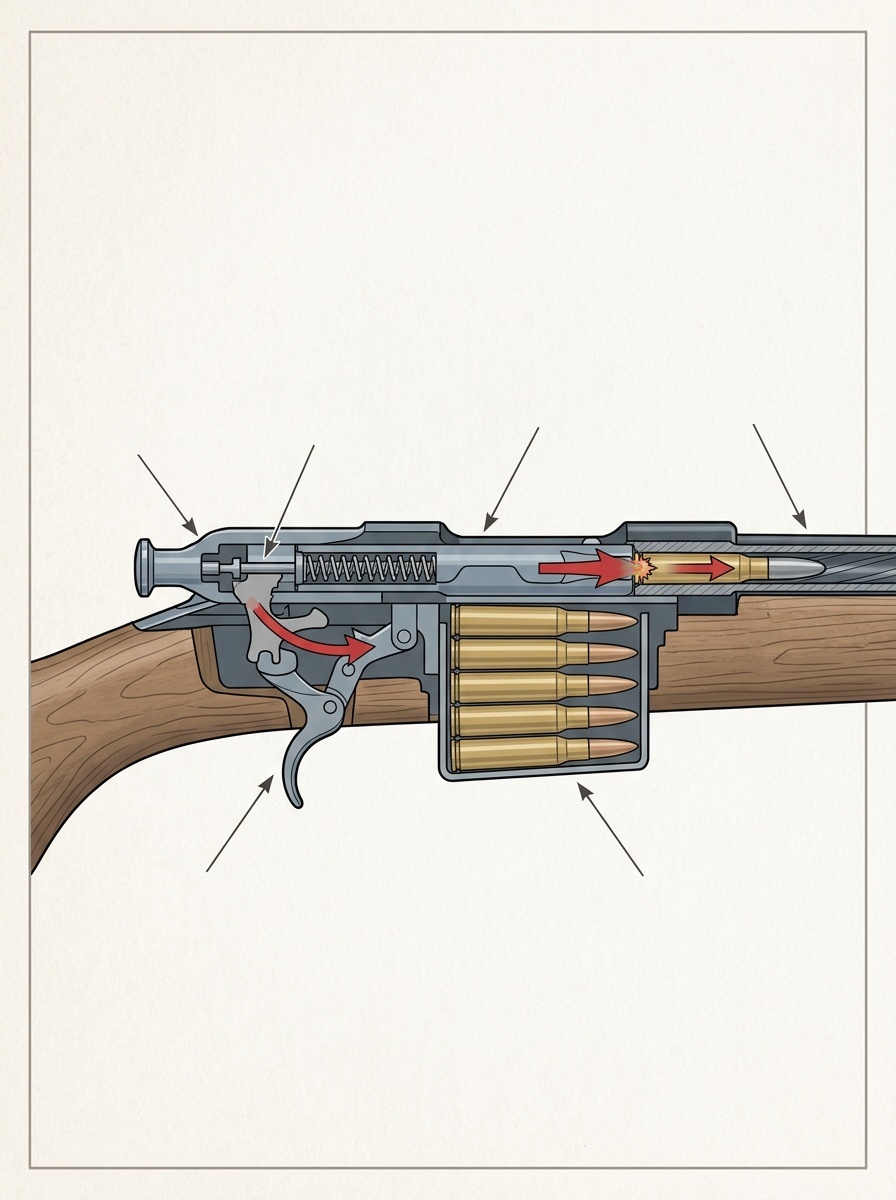
Firearms operate using a simple yet fascinating mechanism. When the trigger is pulled, it releases the firing pin, igniting the gunpowder in the cartridge. This process creates a rapid expansion of gases, propelling the bullet down the barrel with force.
Step-by-Step Assembly Process
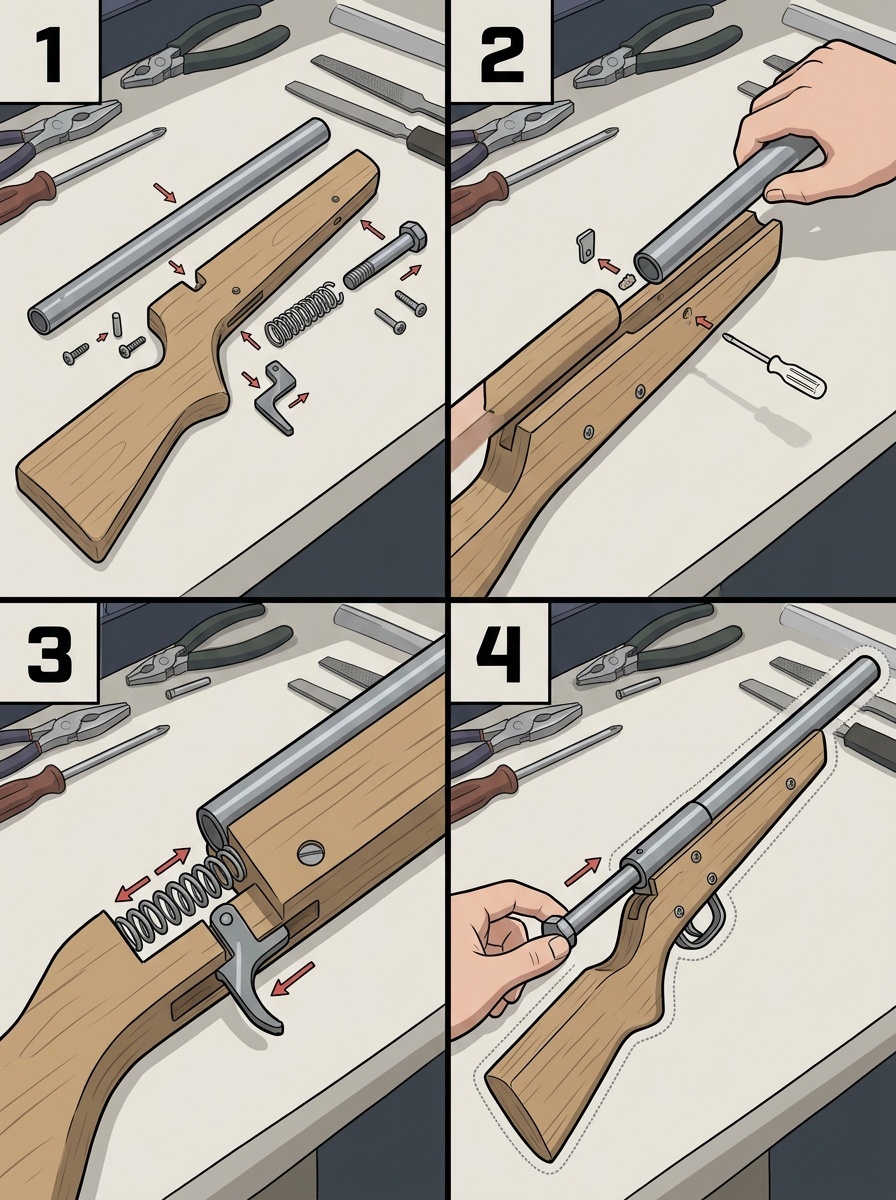
Making your own gun can be a fun project if you follow the steps carefully. Start by gathering all your parts and tools to make sure nothing is missing. Then, piece everything together slowly—this way you’ll ensure everything fits just right!
Maintenance and Care for Homemade Firearms
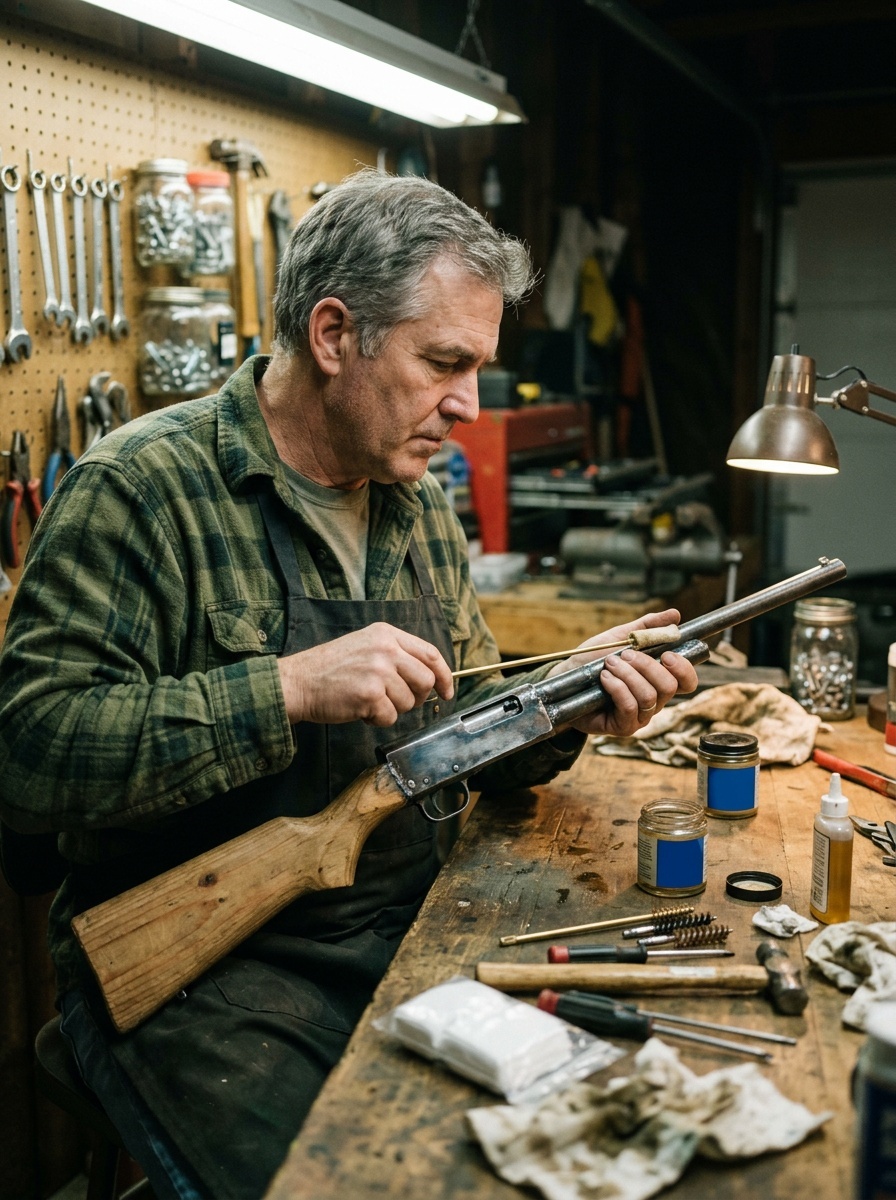
Maintaining your homemade firearm is key to keeping it safe and functional. Regular cleaning and oiling of the moving parts will ensure smooth operation and reduce wear over time. Remember, proper care will enhance both performance and lifespan, so don’t skip this important step!
Testing and Calibration Techniques
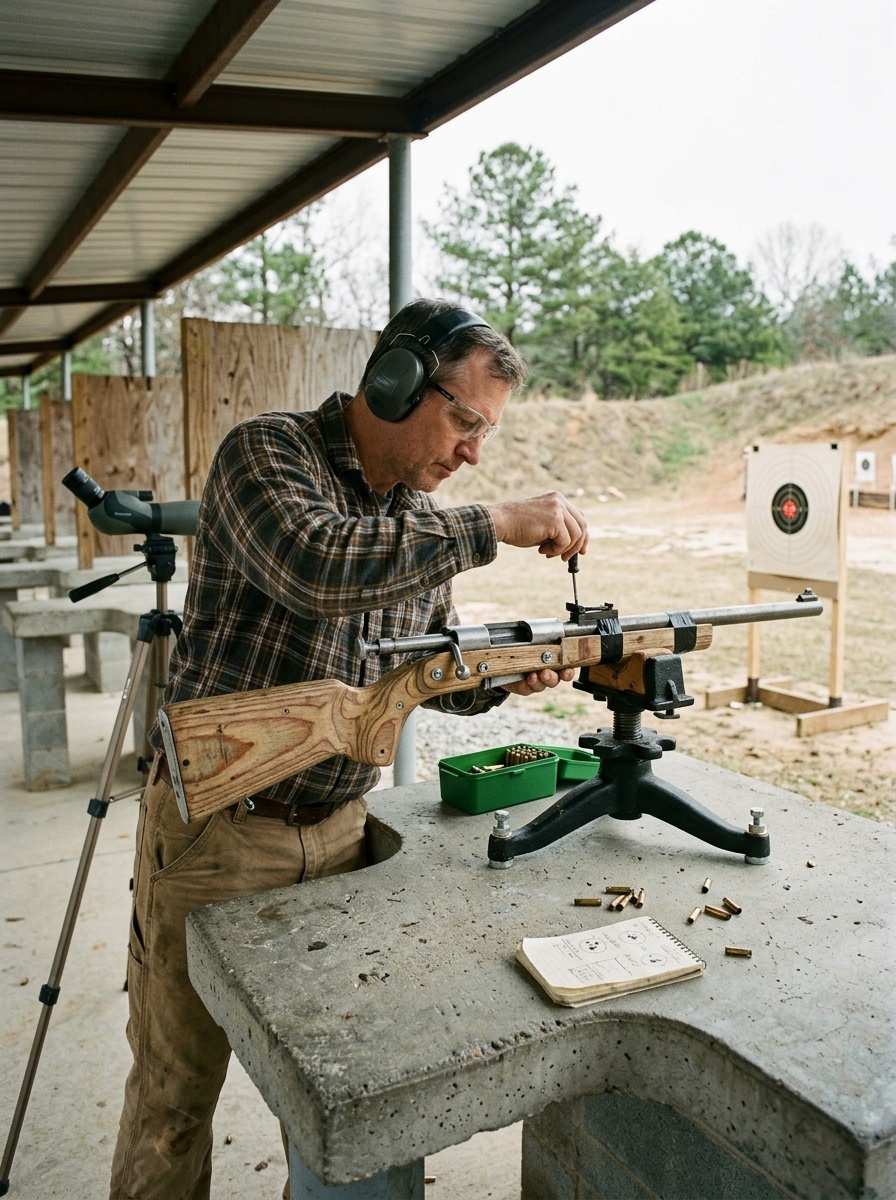
When testing your homemade gun, it’s crucial to keep safety in mind. Start with a secure setup to ensure stability and accuracy during calibration. Don’t forget to log your adjustments and outcomes to improve your future builds!
Safety Precautions During Assembly
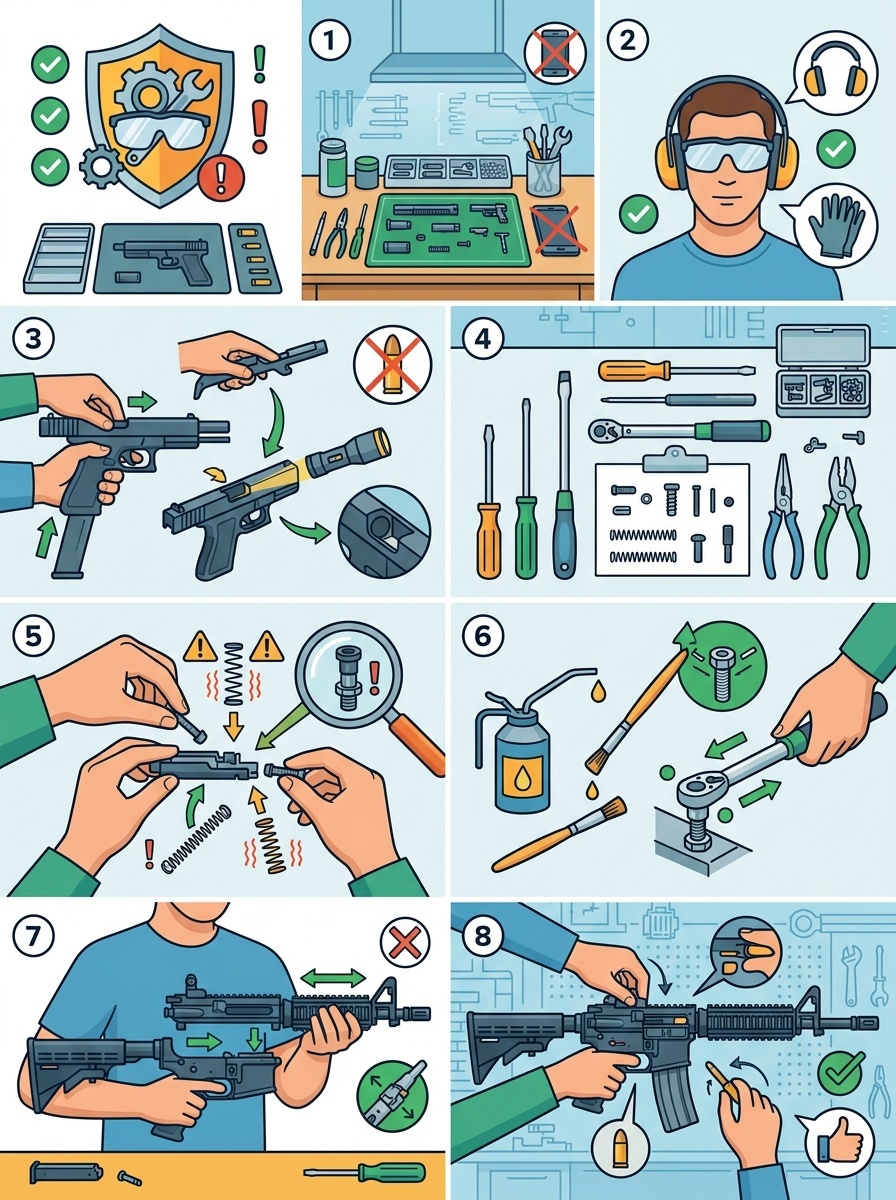
When assembling a homemade gun, safety should always come first. Make sure to wear protective eyewear and gloves to avoid any injuries. Also, keep your workspace organized and free from distractions to focus on the task at hand.
Legal Considerations and Regulations
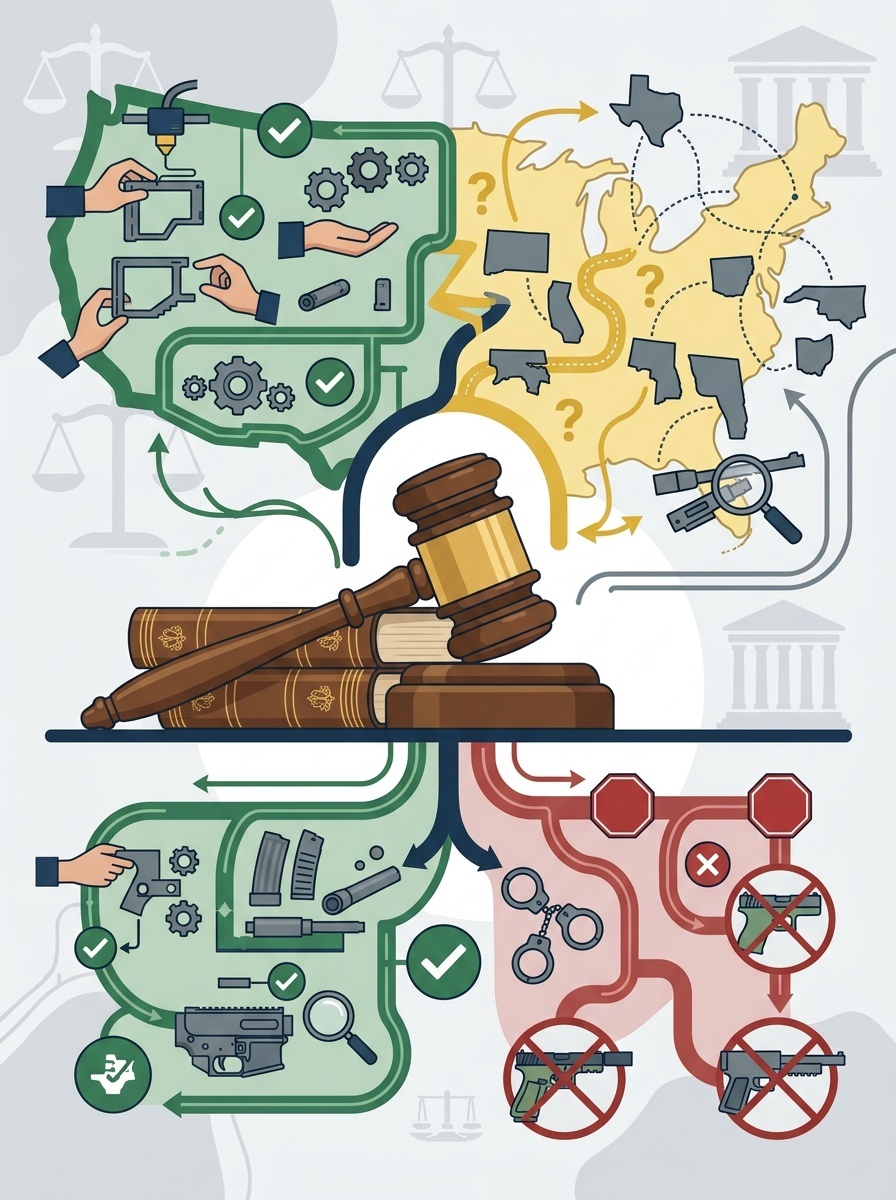
When thinking about making a homemade gun, understanding the laws is key. Different states have different regulations, and it’s super important to know what’s allowed where you live. Always check local laws before starting any project to stay on the right side of the law.
Materials Needed for Construction
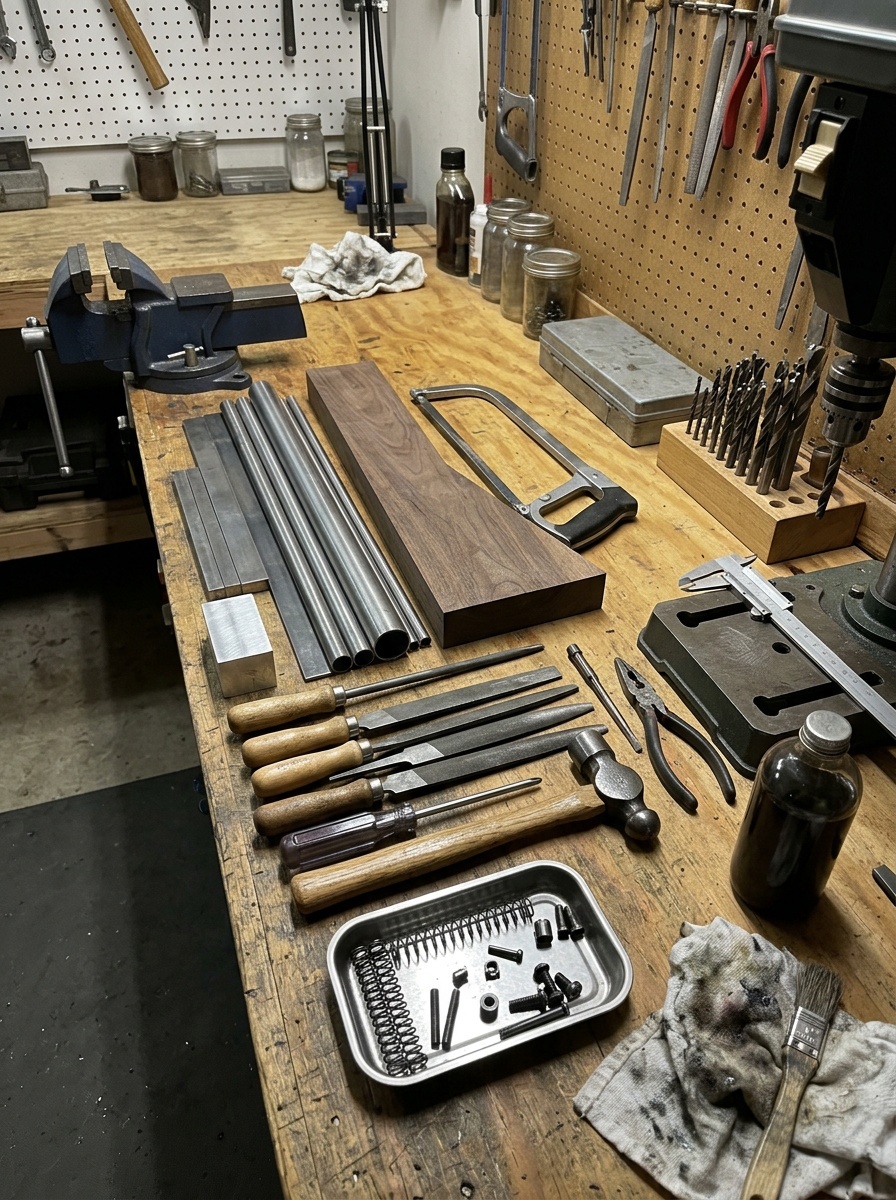
To get started on your project, you’ll need a good set of tools and materials. Key items include metal pipes, wooden blocks, and various hand tools like saws and files. Don’t forget about safety gear to keep yourself protected while you work!
Blueprints for Common Firearm Designs
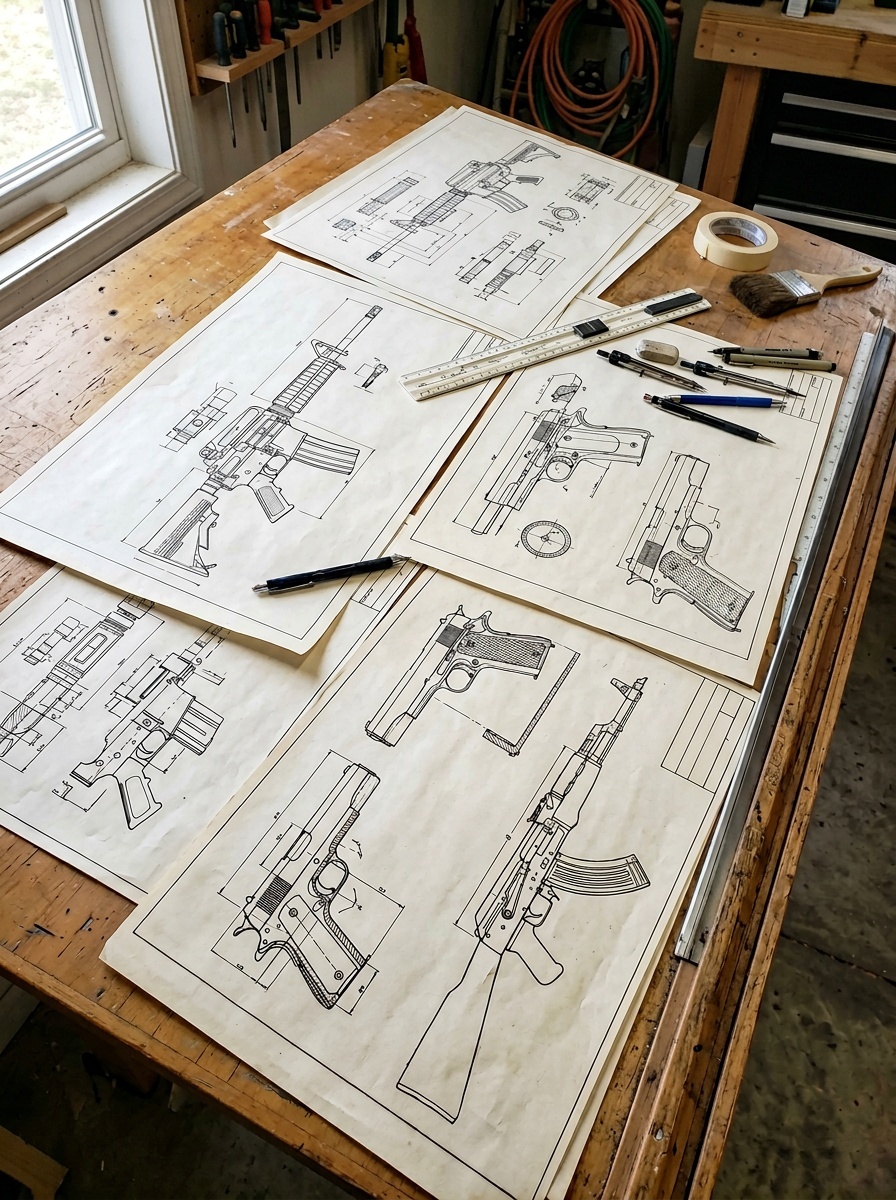
When you’re thinking about homemade firearms, blueprints are your best friend. These detailed plans help you see how different parts fit together and function. Just remember, crafting firearms can be tricky and is often regulated, so stay informed!
Community Resources and Support
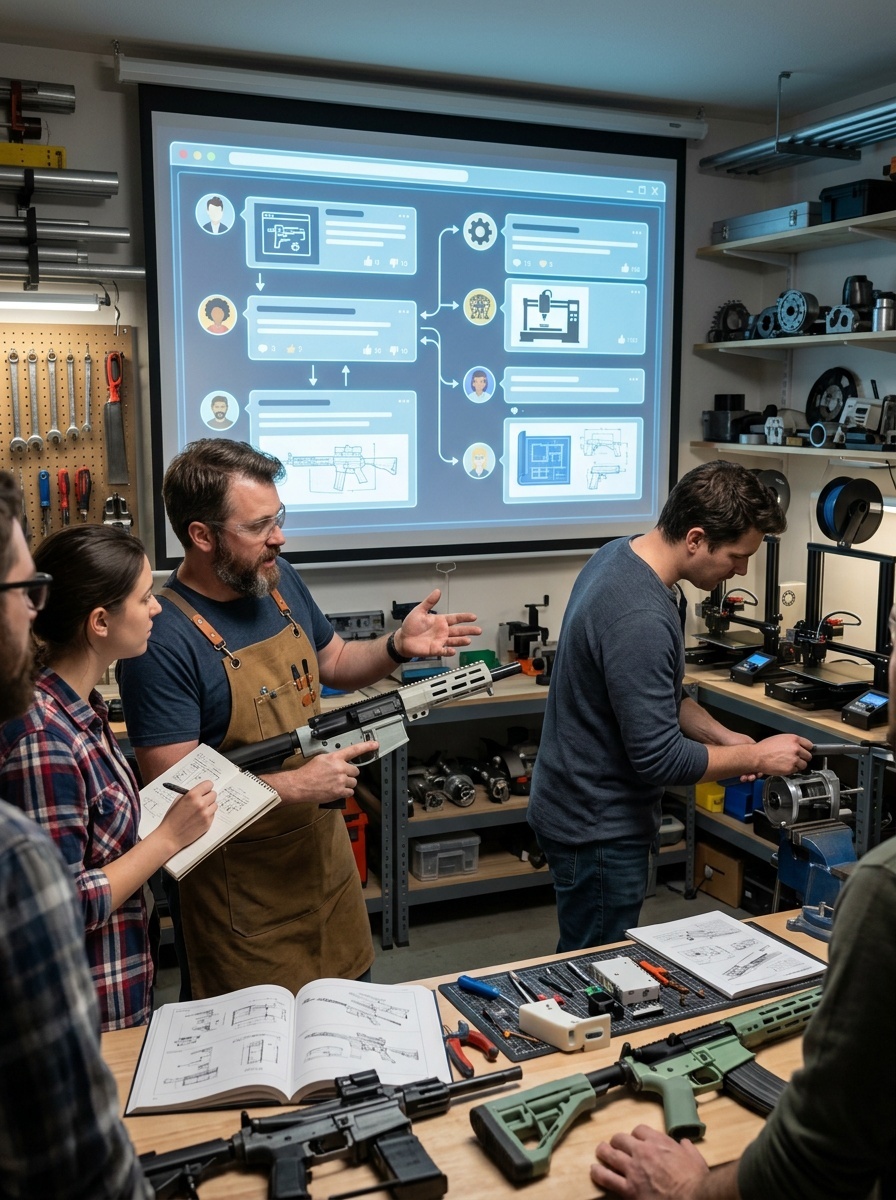
Building a homemade gun can be complex, so it’s great to seek out community support. Local workshops or forums often provide valuable resources, like expert advice and safety tips. Connecting with others can make the process a lot more fun!
Troubleshooting Common Issues
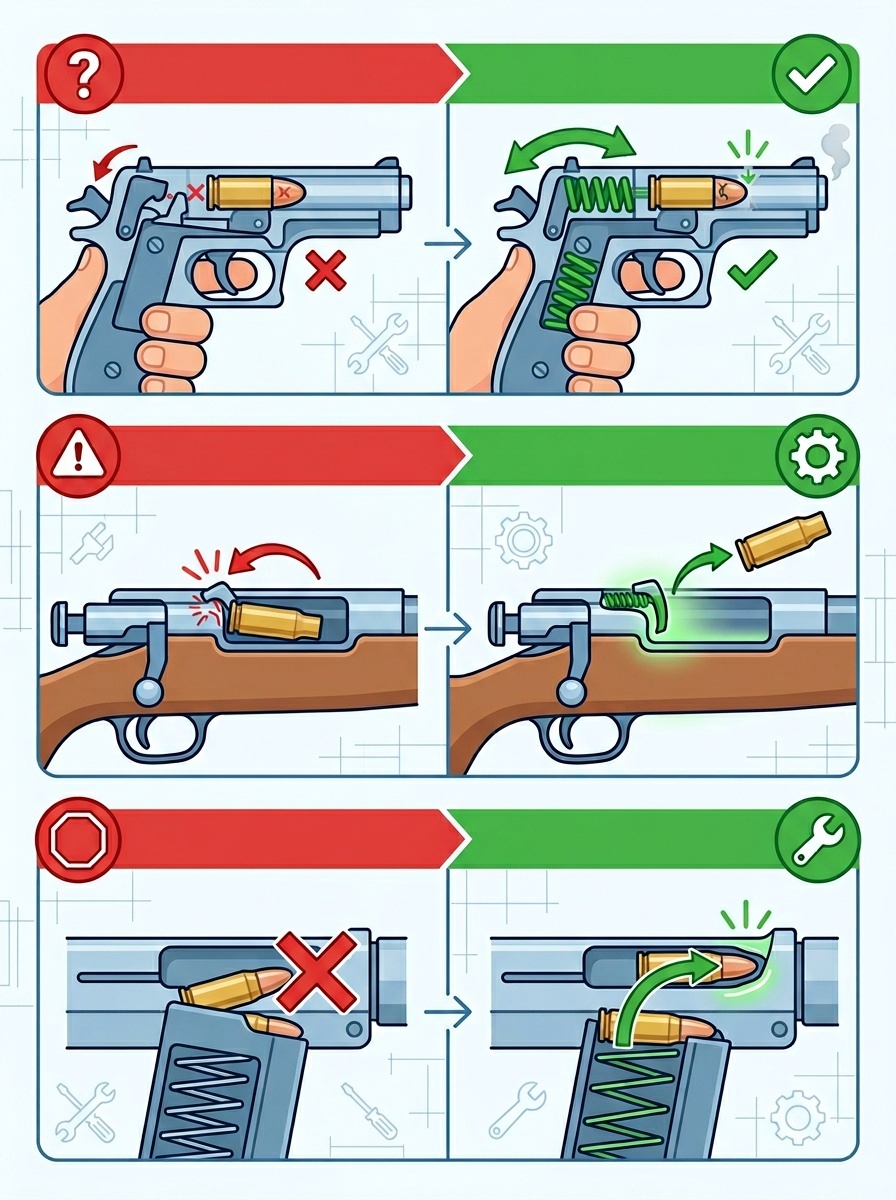
If you’re running into problems, don’t sweat it! Check to make sure everything is properly aligned and that the ammo is seated correctly. A quick adjustment can save you a lot of frustration.
 Site Title
Leave a comment